
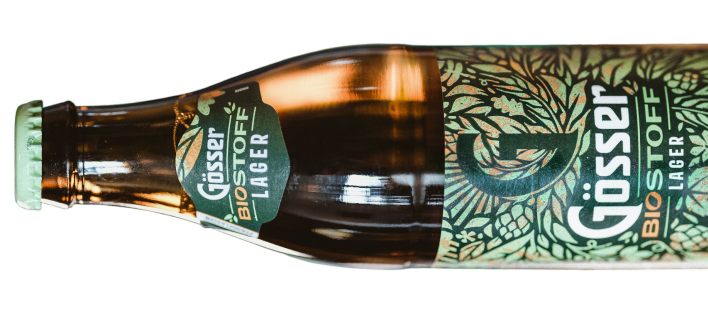
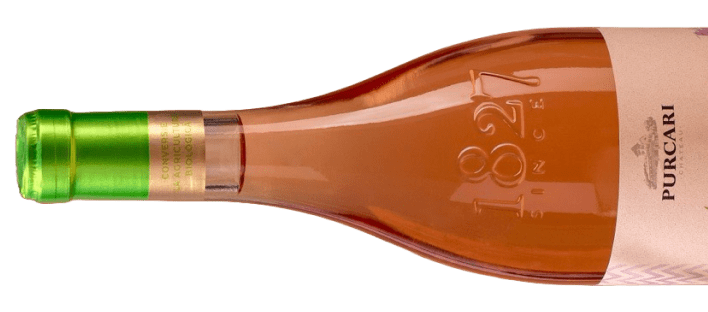
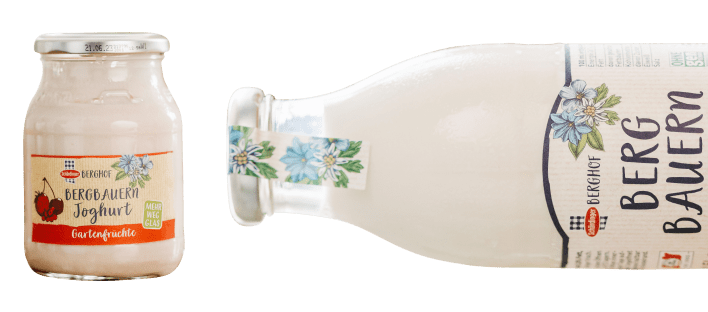
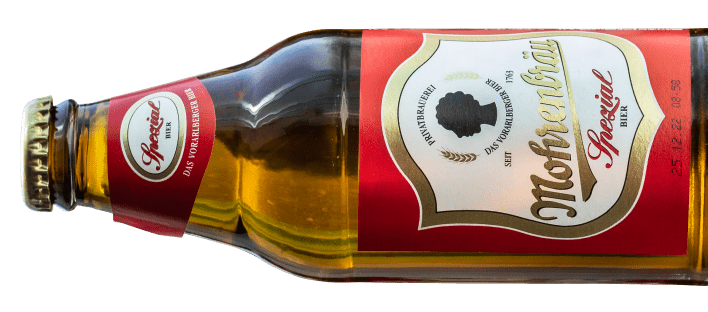
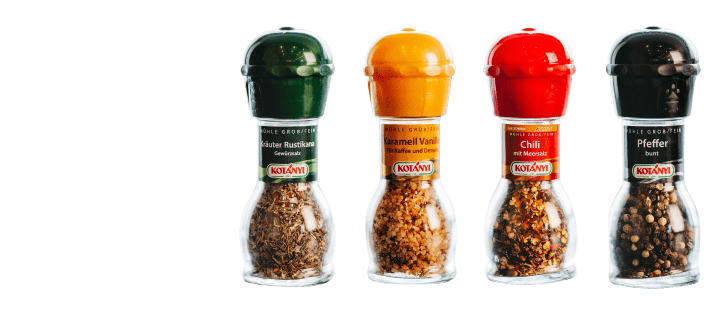
Glass packages are most commonly used in the oodstuff industry including the beverage industry, but they are also used in pharmaceutical and chemical products. Even though there is a strong competition pressure that is evident especially in the field of non-alcoholic beverages, glass packages hold a consistent position of favour with the customers. A primary position is held for example in beer, wine, spirits and many preserved products such as fruit compotes or jams.
Glass comes from nature. It is made of raw materials that are more or less plentiful in nature, for example from sand, limestone, dolomite, feldspar or soda and a significant part is made up of glass fragments.
Glass is completely non-toxic. It does not react with the contents, does not let through other substances, and is fully hygienic.
Glass protects the content. It is chemically neutral and stable so that foodstuffs and beverages last longer. This is especially true with coloured glass.
Glass is attractive. Products look more natural, healthy and of good quality. The colourfulness and the potential to mould it into many different shapes gives the products originality.
Glass is 100% recyclable. Old glass can be reused any number of times without losing its quality so that it can be used for the manufacturing of new packages.